India is one of the most water-stressed countries in the world. Rapid urbanization, industrial growth, and a growing population have placed enormous pressure on groundwater and municipal supply systems, and many towns and cities now see falling water tables, seasonal shortages, and a rising dependence on tanker water during peak summer months.
Much of this stress isn't caused by a lack of water alone — it's caused by how inefficiently the water we do have gets used. Reverse osmosis purifiers discard large volumes of water as reject. Air conditioners quietly drain gallons of clean, usable condensate. Overhead tanks routinely overflow because no one is watching the level. None of this water is contaminated — it's simply wasted, and small interventions at the point of waste can add up to a meaningful difference at scale.
h2osave was built around a simple premise: one of the fastest, lowest-cost ways to reduce water stress is to stop throwing away water that's already been paid for, purified, or pumped.

Four ways we help homes, businesses, and communities stop wasting water.

Every AC unit produces condensate as a byproduct of cooling — water that's typically routed straight into a drain. Our AC Water Conservation Kit intercepts that line and redirects the water for reuse in irrigation, cleaning, or cooling applications.

Reverse osmosis purifiers reject a significant share of the water that enters them as concentrate. Our RO Waste Water Conservation Kit redirects that reject stream into a storage tank for reuse instead of letting it disappear down the drain.
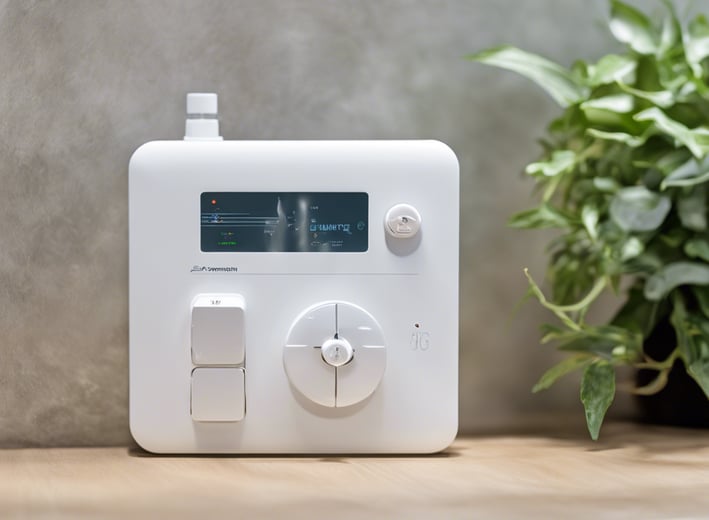
Overhead tanks are often managed by memory — someone starts the motor and hopes they remember to switch it off. Our Smart Water Management System senses tank levels automatically and controls the motor accordingly.

Planners, researchers, and businesses need reliable, localized information about water stress. Our Water Stress API packages freshwater parameters into a structured feed built for dashboards, risk assessments, and planning tools.

Every air conditioner produces condensate as it cools — water pulled out of the air that's typically routed straight into a drain and never used again. That water is close to distilled: low in minerals and free of the dissolved solids found in tap water, which makes it well suited to a wide range of reuse cases.
Our AC Water Conservation Kit intercepts the condensate line before it reaches the drain and redirects it into a storage container or irrigation line instead. Installation fits onto your AC unit's existing drain line — typically under an hour — with no changes to how the unit runs or cools.
Read more about AC condensate recovery →

Reverse osmosis purifiers work by forcing water through a membrane that filters out dissolved solids. That membrane can't pass all the incoming water through as purified output — a portion is rejected as concentrate, and by default that reject stream goes straight down the drain. Depending on the system and incoming water hardness, purifiers commonly reject more water than they actually purify.
Our RO Waste Water Conservation Kit taps that reject line and redirects it into a storage container instead, ready for reuse in mopping, flushing, washing, and other non-drinking applications. It's a one-time plumbing change that doesn't affect your purifier's drinking water output or quality.
Read more about RO reject water →
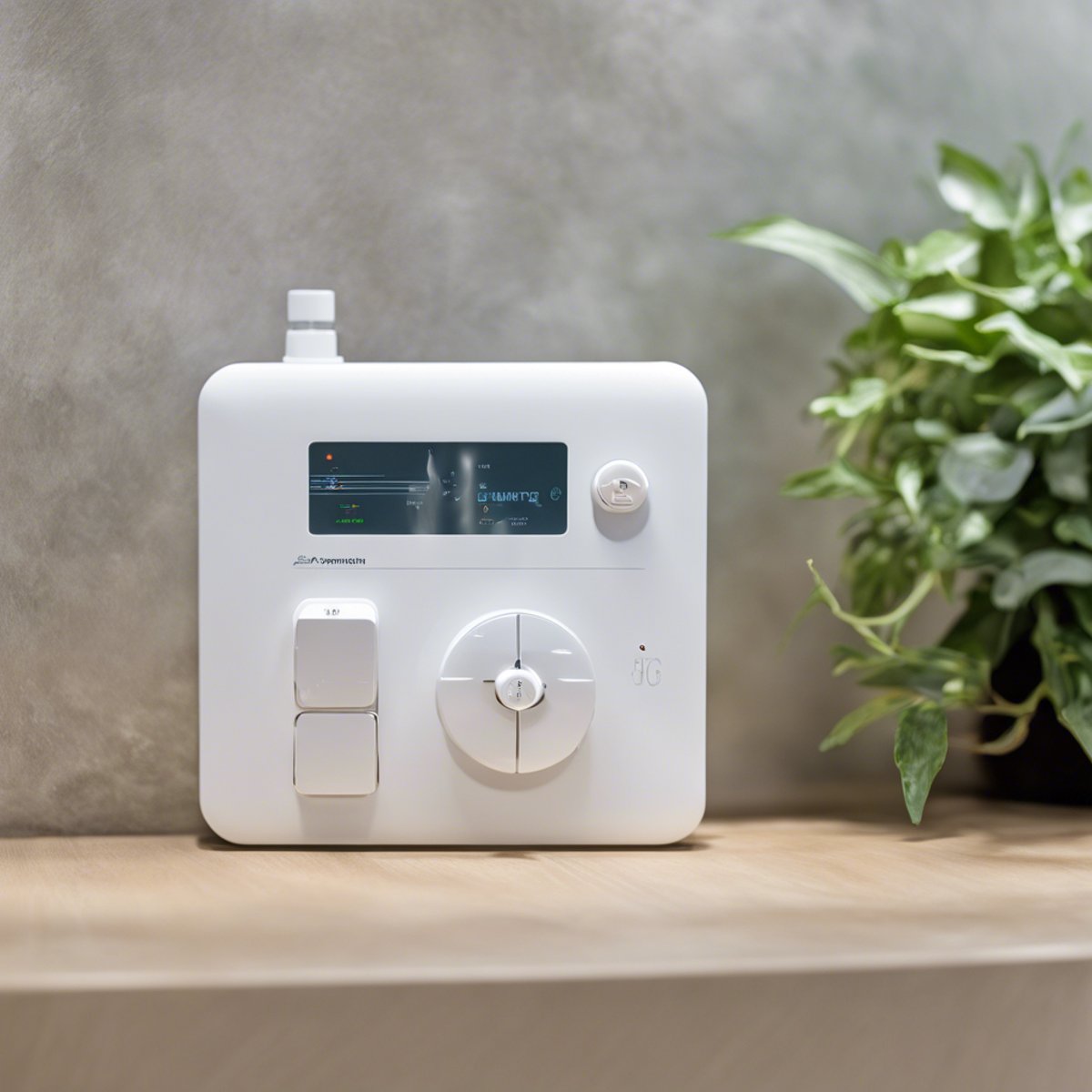
Overhead tanks are often managed by memory — someone starts the motor and hopes they remember to switch it off. That leads to two common problems: overflow that wastes water, and dry-running motors that overheat and wear out early when the source runs low.
Our Smart Water Management System replaces that guesswork with a level sensor and controller wired to your existing motor. It switches the motor on automatically when the tank runs low and off when full, includes a dry-run cutoff, and reports tank levels to a mobile app so you can monitor and override it remotely — scaling from a single home tank to multiple tanks across a building.
Read more about automatic water level systems →

Planners, researchers, and businesses need reliable, localized information about water stress to make good decisions — but most available data comes as infrequent, broad regional reports rather than something that can be queried and acted on directly.
Our Water Stress API is built on an AI-driven model of freshwater parameters — rainfall, groundwater levels, and consumption data — exposed as a structured feed rather than a static report. That makes it usable inside dashboards, risk-assessment tools, and planning software, with current, location-specific data instead of outdated broad assessments.
Read more about the Water Stress API →

Selling water-saving hardware is only part of what h2osave set out to do. Behind the commercial product line is a broader goal: making water conservation practical and accessible for communities that don't have the budget or technical access that a business or well-resourced household does.
That work — community outreach, low-cost conservation support, and education around water stress — is kept separate from product revenue and is funded largely through donor contributions and partnerships. You can learn more about supporting that side of our work on our donation page.
The numbers below are placeholder demo figures, not verified data — replace them with real, confirmed numbers before this section goes live.
12,500+
Liters of Water Saved
Estimated cumulative water recovered and reused across installed systems.
320+
Households & Sites Served
Homes, offices, and commercial sites currently using an h2osave product or system.
450+
Systems Installed
AC, RO, and Smart Water Management installations completed to date.
3+
Cities Covered
Cities and towns with at least one active h2osave installation.
Getting started with h2osave follows a straightforward path.
We look at where water is currently being wasted in your home, office, or facility: AC drainage, RO reject, or tank management.
A technician fits the relevant kit or system, typically completed within a single visit and without major plumbing changes.
Recovered water is redirected to storage or directly into irrigation, cleaning, or non-drinking applications.
For Smart Water Management and API customers, ongoing data helps track savings and system performance over time.
Whether you're a homeowner, a business, or working on a community water project, we'd like to hear from you.
Contact Us