
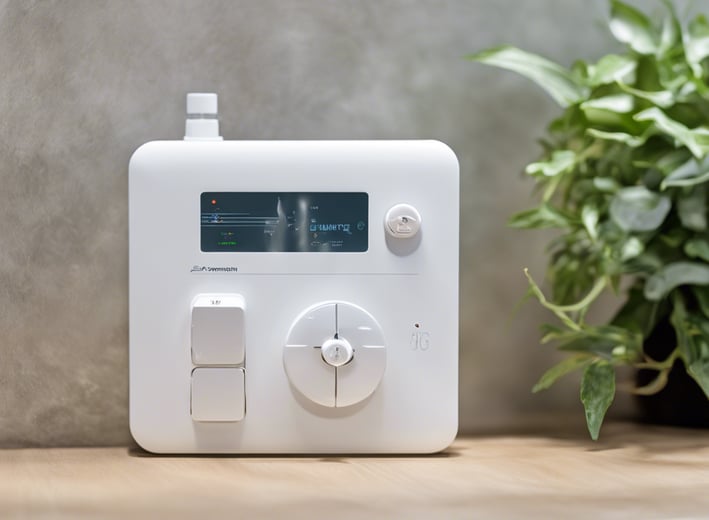
Most overhead tanks are managed the old-fashioned way: someone remembers to flip the motor switch on, then forgets to turn it off. The result is overflow, wasted water, and a higher electricity bill than necessary. A smart water management system removes the guesswork entirely, making it one of the simplest ways to save water at home without changing your daily habits.
How it works
A level sensor sits inside your tank and continuously reports how full it is. When the level drops below a set threshold, the system switches the motor on automatically. Once the tank is full, it switches off — no manual monitoring required, and no risk of the motor running dry or overflowing onto the roof.
Control from your phone
Because the system connects to a companion mobile app, you can check tank levels and motor status from anywhere, and override automatic control manually if needed — useful during power cuts or scheduled water supply windows.
What this saves you
Two things: water, because overflow stops being a daily occurrence, and electricity, because the motor no longer runs longer than it needs to. Over a year, most households recover the cost of the system through these savings alone.
For a closer look at how the sensors and app control actually work, see our guide on automatic, app-controlled water level systems.